What Are Micronutrients?
Micronutrients are nutrients required by your body in small quantities but that are nonetheless essential for health. While they provide no calories, they enable virtually every biological process, from energy production to immune function to bone formation to vision to neurological function.
Vitamins
Vitamins are organic compounds necessary for human health. Your body either cannot synthesize them or cannot synthesize them in sufficient quantities, so they must be obtained from dietary sources.
Fat-Soluble Vitamins
Fat-soluble vitamins require dietary fat for absorption and are stored in body fat. They include:
- Vitamin A: Supports vision, immune function, skin health, and cell growth. Found in orange and dark green vegetables, liver, eggs, and dairy.
- Vitamin D: Regulates calcium absorption, supports bone health and immune function. Synthesized by skin exposed to sunlight; also found in fatty fish, egg yolks, and fortified dairy.
- Vitamin E: Functions as an antioxidant, protecting cells from oxidative damage. Found in nuts, seeds, vegetable oils, and leafy greens.
- Vitamin K: Essential for blood clotting and bone metabolism. Found in leafy green vegetables, cruciferous vegetables, and fermented foods.
Water-Soluble Vitamins
Water-soluble vitamins are not stored in the body and must be consumed regularly. They include B vitamins and vitamin C:
- B Vitamins (B1, B2, B3, B5, B6, B7, B9, B12): Essential for energy production, neurological function, DNA synthesis, and red blood cell formation. Found in whole grains, legumes, meat, fish, eggs, and leafy greens.
- Vitamin C: Functions as an antioxidant, supports immune function, and aids in collagen synthesis. Found in citrus fruits, berries, peppers, tomatoes, and leafy greens.
Minerals
Minerals are inorganic elements essential for various bodily functions. Key minerals include:
Major Minerals (Macrominerals)
Needed in quantities greater than 100 mg per day:
- Calcium: Critical for bone health, muscle function, and nerve transmission. Found in dairy, leafy greens, fortified plant-based alternatives, and fish with edible bones.
- Phosphorus: Works with calcium for bone health; involved in energy metabolism. Found in meat, fish, eggs, dairy, legumes, and nuts.
- Potassium: Essential for fluid balance, nerve transmission, and muscle contraction. Found in bananas, potatoes, legumes, spinach, and other vegetables.
- Sodium: Required for fluid balance, nerve transmission, and muscle contraction. Found in salt, processed foods, and some natural foods.
- Magnesium: Involved in hundreds of enzymatic reactions, muscle function, and nerve transmission. Found in nuts, seeds, whole grains, legumes, and leafy greens.
- Chloride: Works with sodium for fluid balance; component of digestive acid. Found in salt and foods containing sodium.
- Sulfur: Component of amino acids and connective tissue. Found in sulfur-containing amino acids in protein-containing foods.
Trace Minerals
Needed in quantities less than 100 mg per day:
- Iron: Essential for oxygen transport and energy production. Found in red meat, poultry, fish, legumes, and fortified grains.
- Zinc: Important for immune function, wound healing, and protein synthesis. Found in meat, shellfish, legumes, nuts, and seeds.
- Copper: Involved in energy production and connective tissue formation. Found in shellfish, nuts, seeds, and whole grains.
- Manganese: Involved in bone formation and metabolism. Found in nuts, seeds, whole grains, legumes, and tea.
- Iodine: Essential for thyroid hormone synthesis. Found in seafood, seaweed, eggs, and dairy.
- Selenium: Antioxidant; involved in thyroid hormone metabolism. Found in Brazil nuts, seafood, eggs, and whole grains.
- Chromium: Involved in blood glucose regulation. Found in whole grains, meat, and some vegetables.
- Molybdenum: Component of several enzymes. Found in legumes, grains, and nuts.
Phytonutrients
Phytonutrients are bioactive compounds found in plant-based foods that, while not strictly essential, provide health benefits beyond basic nutrition. Categories include:
- Flavonoids: Found in fruits, vegetables, tea, and dark chocolate; exhibit antioxidant and anti-inflammatory properties.
- Carotenoids: Found in orange and dark green vegetables; precursors to vitamin A and protective to vision and skin.
- Polyphenols: Found in tea, berries, and whole grains; exhibit antioxidant properties.
- Glucosinolates: Found in cruciferous vegetables (broccoli, Brussels sprouts, cabbage); exhibit protective properties.
- Allicin: Found in garlic and onions; exhibits antimicrobial properties.
Bioavailability
Bioavailability refers to how readily nutrients are absorbed and utilized by your body. Bioavailability is influenced by:
- Food source: Different sources of the same nutrient may have different bioavailability (for example, iron from meat is more bioavailable than iron from plants)
- Food preparation: Cooking methods affect nutrient bioavailability
- Dietary combinations: Some nutrients enhance or inhibit absorption of other nutrients
- Individual factors: Digestive health, age, and other factors affect nutrient absorption
Micronutrient Density
Micronutrient density refers to the concentration of micronutrients relative to caloric content. Foods high in micronutrient density provide substantial vitamins, minerals, and beneficial compounds relative to their caloric content. Prioritizing micronutrient-dense foods helps ensure adequate nutrient intake without excessive caloric consumption.
High Micronutrient Density Foods
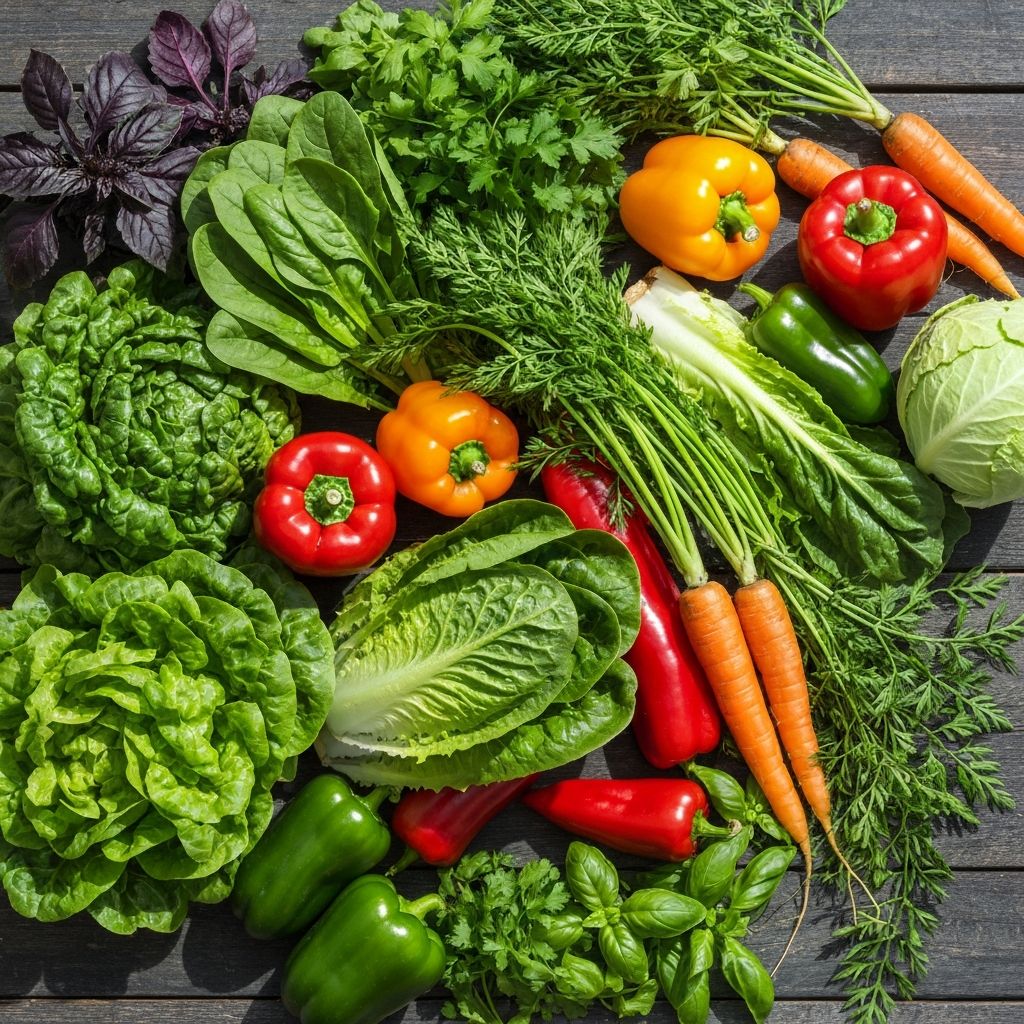
- Leafy greens: Spinach, kale, collard greens—rich in vitamins K, A, C; minerals including iron and magnesium
- Cruciferous vegetables: Broccoli, cauliflower, Brussels sprouts—rich in vitamins C and K; glucosinolates
- Berries: Blueberries, raspberries, strawberries—rich in vitamin C, fiber, and phytonutrients
- Fish: Salmon, sardines—rich in omega-3 fatty acids, vitamin D, selenium, and B vitamins
- Eggs: Complete protein; rich in choline, lutein, selenium, and B vitamins
- Legumes: Beans, lentils—rich in fiber, plant-based protein, iron, and B vitamins
- Nuts and seeds: Almonds, walnuts, flax, chia—rich in minerals, healthy fats, and phytonutrients
- Whole grains: Oats, quinoa, brown rice—richer in micronutrients than refined grains
Meeting Micronutrient Needs
A diet based on whole foods from varied sources typically provides adequate micronutrients. Strategies for ensuring micronutrient adequacy include:
- Variety: Consume a range of fruits, vegetables, proteins, and whole grains to access diverse micronutrients
- Color variety: Different colored vegetables and fruits contain different micronutrient profiles
- Minimize processed foods: Whole foods contain more micronutrients than processed alternatives
- Consider individual needs: Certain life stages or conditions may increase micronutrient requirements
- Professional guidance: For specific concerns about micronutrient status, consult healthcare professionals
Deficiency and Toxicity
While micronutrient deficiencies are possible, particularly in restrictive diets or certain health conditions, they are uncommon in people consuming varied whole food-based diets. Conversely, excessive intake of some micronutrients (particularly fat-soluble vitamins when supplemented) can be harmful. A food-based approach to micronutrients is generally safer than attempting to balance supplementation.
Key Takeaways
- Micronutrients are essential despite their small quantities
- Vitamins are organic; minerals are inorganic
- Bioavailability varies between food sources
- Micronutrient density indicates nutrient concentration per calorie
- Whole foods provide micronutrients alongside other beneficial compounds